
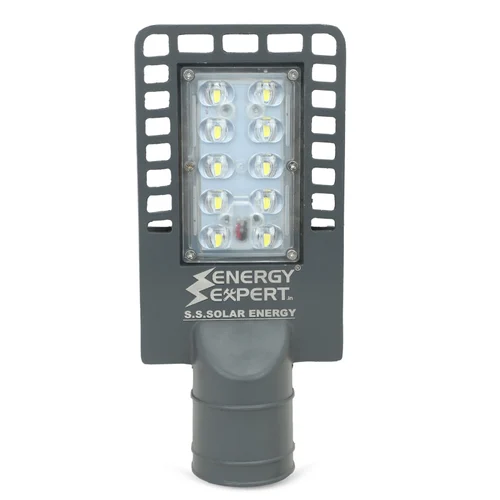
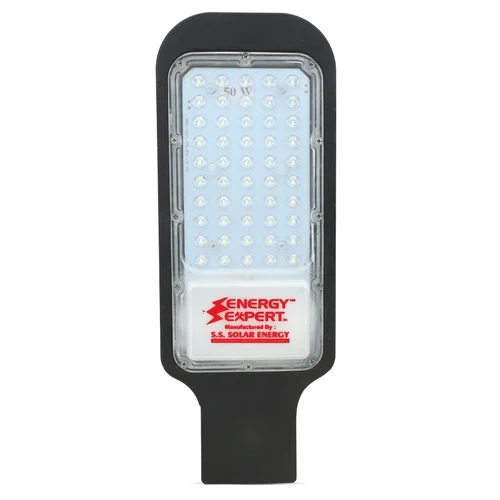
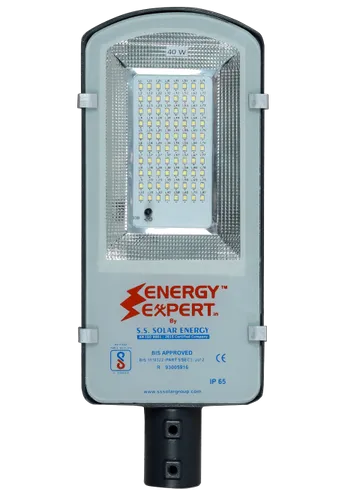
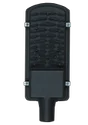
80W AC LED Street Light | Buy Efficient LED Street Light
Original price was: ₹1,800.00.₹800.00Current price is: ₹800.00.
Buy 80W AC LED Street Light from S S Solar Energy for efficient outdoor lighting. Reliable LED performance, low maintenance and durable design. Get a quote!
Description
An 80W AC LED Street Light is an outdoor lighting fixture designed to provide efficient and reliable illumination for roads, streets, parking areas, industrial premises, residential communities, commercial properties, campuses, and other outdoor spaces. It uses LED technology and operates through an AC power supply, making it suitable for locations where grid electricity or an appropriate AC power source is available.
Compared with traditional outdoor lighting technologies, LED street lights are designed to deliver efficient illumination with controlled light distribution and relatively low maintenance requirements. However, the actual performance of an 80W fixture depends on its lumen output, LED efficiency, optical design, driver, thermal management, and installation conditions.
What Is an 80W AC LED Street Light?
An 80W AC LED Street Light is a 80-watt-rated LED lighting fixture that converts electrical energy from an AC supply into outdoor illumination.
The fixture generally consists of several key components, including:
- LED light source
- LED driver
- Optical lens or light distribution system
- Heat sink or thermal management system
- Outdoor housing
- Electrical connections
- Pole-mounting mechanism
The 80W rating indicates the nominal power of the fixture. It does not, by itself, determine the brightness or coverage area. For accurate product comparison, buyers should also consider lumen output, luminous efficacy, beam angle, mounting height, and photometric performance.
How Does an 80W AC LED Street Light Work?
An AC-powered street light receives electrical power from an AC supply. The LED driver manages the electrical power delivered to the LED module, allowing the LEDs to produce visible light.
The basic operating process is:
AC Power Supply → LED Driver → LED Module → Optical System → Outdoor Illumination
The optical system helps distribute the generated light toward the road or target area. At the same time, the fixture’s housing and heat-dissipation system help manage the heat produced during operation.
For consistent performance, the fixture should be installed and operated according to the manufacturer’s electrical and environmental specifications.
Why Choose an 80W LED Street Light?
An 80W LED street light can be a practical option when a project requires a higher-power LED fixture for suitable outdoor applications.
Depending on its design and specifications, an 80W fixture can offer several advantages.
Efficient LED Lighting
LED technology converts electrical power into light efficiently, allowing properly designed fixtures to provide substantial illumination while maintaining controlled power consumption.
The actual efficiency of an 80W street light should be evaluated using its lumen output and luminous efficacy rather than wattage alone.
Bright and Uniform Illumination
A well-designed 80W outdoor LED street light can provide bright and appropriately distributed illumination across roads and outdoor areas.
Light distribution depends on the fixture’s optical system, beam angle, mounting height, pole spacing, and orientation. Proper planning can help reduce excessive bright spots and dark areas.
Durable Outdoor Construction
Street lights operate in outdoor environments where they can be exposed to rain, dust, humidity, sunlight, temperature changes, and pollution.
A suitably designed outdoor fixture can incorporate:
- Durable housing
- Appropriate IP protection
- Corrosion-resistant construction
- Effective heat dissipation
- Reliable electrical components
The actual environmental performance should always be verified from the product’s technical specifications.
Low Maintenance Requirements
LED street lights generally require less routine maintenance than many older lighting technologies because they use solid-state LED components and do not require frequent lamp replacement in normal operation.
However, periodic inspection is still important. Cleaning, electrical checks, mounting inspections, and performance monitoring can help maintain reliable operation.
Where Can an 80W AC LED Street Light Be Used?
An 80W AC LED street light can be considered for a variety of outdoor applications, including:
- Residential roads and communities
- Commercial properties
- Industrial areas
- Parking areas
- Institutional campuses
- Warehouses and logistics facilities
- Service and access roads
- Public roads
- Municipal lighting projects
- Other suitable outdoor spaces
The appropriate application depends on the fixture’s actual lumen output, optical distribution, mounting requirements, environmental protection, and project lighting standards.
Is an 80W LED Street Light Suitable for Road Lighting?
Yes, an 80W LED street light can be suitable for various road-lighting applications when its photometric performance matches the requirements of the road.
Before installation, factors such as road width, mounting height, pole spacing, required illumination, beam distribution, and traffic conditions should be evaluated.
The 80W rating alone should not be used to determine whether a fixture is suitable for a particular road.
80W LED Street Light for Outdoor Applications
For outdoor applications, the fixture should be selected according to the environmental conditions of the installation site.
Important considerations include:
- Dust exposure
- Rain and water exposure
- Humidity
- Ambient temperature
- Pollution
- Corrosion risk
- Operating hours
- Electrical supply conditions
Choosing a fixture with appropriate environmental protection and thermal management can support reliable outdoor operation.
80W AC LED Street Light Specifications
The performance of an 80W AC LED Street Light depends on more than its rated power. Technical specifications such as lumen output, luminous efficacy, input voltage, LED chip, driver, beam angle, IP rating, housing material, and thermal management help determine whether a fixture is suitable for a particular outdoor lighting application.
Before purchasing an 80W LED street light, buyers should review the complete product datasheet and compare specifications across products with similar configurations.
Technical Specifications of 80W AC LED Street Light
| Material | Aluminium |
| IP Rating | IP55 |
| Lighting Color | Cool White |
| Usage/Application | Out Door |
| Brand Name | Energy Expert |
| Wattage | 80W |
| IP Rate | IP65 |
| Frequency | 50Hz |
80W AC LED Street Light is a type of street lighting fixture that uses LEDs (Light Emitting Diodes) powered directly by the AC mains supply (typically 110V or 220V depending on the country), rather than requiring a DC (Direct Current) power source.
Additional Information:
- Item Code: EESL36AC
80W AC LED Street Light Wattage
The 80W rating indicates the nominal electrical power of the fixture under its specified operating conditions.
However, wattage should not be considered a direct measurement of brightness. Two different 80W LED street lights can produce different amounts of light depending on their LED efficiency, driver performance, optical system, and thermal design.
For a meaningful comparison, consider:
- Rated power
- Lumen output
- Luminous efficacy
- Driver efficiency
- Optical efficiency
This provides a more accurate understanding of the fixture’s overall lighting performance.
LED Efficiency and Luminous Output
Lumen output represents the amount of visible light produced by the fixture, while luminous efficacy indicates how efficiently electrical power is converted into visible light.
For an 80W LED street light, both values are important when evaluating performance.
A simple relationship is:
Luminous Efficacy = Lumen Output ÷ Power Consumption
For example, if a fixture produces a higher lumen output while operating at the same rated power, it may provide greater lighting efficiency, provided the measurements are based on comparable testing conditions.
Buyers should therefore avoid selecting a product based only on wattage.
Color Temperature Options
Color temperature affects the appearance of the light produced by an LED street light.
Depending on the product configuration, an 80W LED street light may be available in different color temperatures.
Cool White 80W LED Street Light
Cool white light provides a brighter, cleaner visual appearance and is commonly considered for roads, commercial areas, industrial premises, parking areas, and other outdoor applications.
Neutral White 80W LED Street Light
Neutral white provides a more balanced appearance between cool and warm lighting. It can be considered for applications where a more natural-looking outdoor environment is preferred.
Warm White 80W LED Street Light
Warm white produces a softer, warmer appearance and may be considered for selected residential, architectural, recreational, or pedestrian-oriented outdoor applications.
The appropriate color temperature should be selected according to the project’s visual and lighting requirements.
IP Rating and Weather Resistance
An outdoor 80W LED street light should have appropriate protection against environmental exposure.
The IP rating indicates the enclosure’s level of protection against the entry of solid particles and water. The required rating depends on the location and environmental conditions.
Before purchasing, consider:
- Rain exposure
- Dust levels
- Humidity
- Pollution
- Water splash
- Installation environment
Always verify the actual IP rating from the manufacturer’s technical documentation rather than assuming that every outdoor LED street light has the same level of protection.
Housing Material and Heat Dissipation
The housing protects the internal components and can also play an important role in thermal management.
A properly designed 80W outdoor LED street light may use a metal housing or other suitable material designed for outdoor operation and heat dissipation.
The housing should be evaluated for:
- Mechanical durability
- Corrosion resistance
- Heat transfer
- Weather protection
- Overall structural design
Aluminium Housing
Aluminium is commonly used in LED lighting fixtures because of its combination of relatively low weight, strength, and thermal conductivity.
An appropriately designed aluminium housing can help transfer heat away from the LED module and support thermal management.
Heat Sink Design
LEDs generate heat during operation, so effective heat dissipation is important for maintaining stable performance.
A properly designed heat sink can help move heat away from the LED module and release it into the surrounding environment.
Thermal performance depends on factors such as:
- Heat sink surface area
- Housing design
- Thermal interface
- Ambient temperature
- Fixture orientation
- Air circulation
LED Driver Specifications
The LED driver regulates the electrical power supplied to the LED module and is an important component of an AC-powered street light.
When evaluating an 80W AC LED street light, check the driver’s:
- Input voltage range
- Efficiency
- Protection features
- Operating temperature
- Compatibility with the LED module
- Manufacturer specifications
A properly matched driver can support stable operation and help protect the LED system from unsuitable electrical conditions.
Beam Angle and Light Distribution
Beam angle determines how light is distributed from the fixture.
A street light with an appropriate optical system can direct light toward the required road or outdoor area while helping reduce unnecessary light spill.
The correct beam distribution depends on:
- Road width
- Pole height
- Pole spacing
- Fixture position
- Required illumination
- Desired uniformity
Therefore, beam angle should be considered together with lumen output and mounting conditions rather than evaluated separately.
Mounting Type
An 80W LED street light is generally designed for mounting on a pole or suitable mounting arm, depending on the product configuration.
Before installation, verify:
- Mounting diameter compatibility
- Bracket dimensions
- Fixture weight
- Mounting angle
- Pole structure
- Required mounting hardware
Correct mounting ensures mechanical stability and helps the fixture distribute light as intended.
Features of 80W AC LED Street Light
An 80W AC LED Street Light combines LED technology, optical control, thermal management, and outdoor-rated construction to provide reliable illumination for roads and other outdoor areas. However, the exact performance and features can vary between manufacturers and product models.
When selecting an 80W street light, it is important to evaluate the complete product specification rather than relying only on the 80W power rating.
High-Efficiency LED Chips
The LED chip is one of the primary components responsible for generating light. High-efficiency LED chips can produce more light from a given amount of electrical power, depending on the overall fixture design.
When comparing an 80W LED street light, consider:
- LED chip manufacturer
- Lumen output
- Luminous efficacy
- Color consistency
- Operating temperature
- Product testing information
A higher wattage does not automatically mean better lighting performance, so lumen output and efficacy should also be checked.
High-Brightness Outdoor Illumination
An 80W outdoor LED street light can provide substantial illumination for suitable outdoor applications.
Its actual brightness depends on the fixture’s:
- Lumen output
- LED efficiency
- Optical system
- Beam distribution
- Mounting height
- Installation arrangement
The fixture should be selected according to the lighting requirements of the road or area rather than wattage alone.
Uniform Light Distribution
Uniform lighting is important for reducing excessive bright spots and dark areas across a road or outdoor space.
The optical design of the fixture determines how light is distributed across the target area.
A properly planned installation considers:
- Beam angle
- Pole spacing
- Mounting height
- Road width
- Fixture orientation
- Required illumination
Using appropriate photometric data can help determine whether the fixture will provide the desired level of uniformity.
Durable Outdoor Housing
Street lights operate continuously in outdoor environments and can be exposed to rain, dust, humidity, sunlight, temperature variations, and pollution.
A durable housing can help protect internal components from these environmental conditions.
When evaluating an 80W LED street light, consider:
- Housing material
- Mechanical strength
- Corrosion resistance
- Surface finish
- Sealing
- Heat dissipation
The actual durability of the fixture should be verified through its product specifications and testing documentation.
Weather-Resistant Construction
Outdoor lighting fixtures require suitable protection against environmental exposure.
An appropriately rated 80W AC LED street light can be designed to withstand conditions such as:
- Rain
- Dust
- Humidity
- Outdoor temperature variations
- Water splashes
- Pollution
The required level of protection depends on the installation environment. Always check the product’s specified IP rating before purchase.
Efficient Power Consumption
The 80W rating represents the fixture’s nominal power consumption under specified operating conditions.
LED technology can provide efficient illumination by converting electrical energy into visible light with relatively high luminous efficacy.
For accurate efficiency comparison, consider:
Lumen Output ÷ Power Consumption = Luminous Efficacy
This allows buyers to compare the lighting efficiency of different fixtures more effectively than comparing wattage alone.
Long LED Operating Life
LED lighting is designed for long-term operation, but the actual service life of an 80W LED street light depends on the complete fixture.
Important factors include:
- LED chip quality
- Driver quality
- Heat dissipation
- Operating temperature
- Electrical conditions
- Environmental exposure
- Installation quality
- Maintenance
The expected life mentioned by the manufacturer should be evaluated according to the applicable testing conditions and product documentation.
Low Maintenance Requirements
LED street lights generally require limited routine maintenance compared with many conventional lighting systems.
Regular maintenance may include:
- Cleaning the fixture
- Inspecting electrical connections
- Checking mounting hardware
- Inspecting the driver
- Checking for moisture ingress
- Monitoring abnormal light output
Maintenance requirements can increase in locations with high dust, pollution, humidity, or other harsh environmental conditions.
Stable and Flicker-Free Lighting
A properly designed LED driver can help provide stable lighting during normal operation.
Excessive flickering may indicate issues related to the driver, power supply, electrical connections, or other components.
For applications where lighting quality is important, buyers should review available product information regarding flicker performance and driver specifications.
Instant Start
LED street lights generally provide illumination immediately after receiving power without requiring the warm-up period associated with some older lighting technologies.
This can be useful for outdoor applications where lighting needs to become operational quickly after the control system activates the fixture.
Effective Heat Dissipation
Heat management is an important feature of a reliable LED lighting system.
An 80W LED street light generates heat during operation, and the fixture should be designed to transfer this heat away from sensitive components.
Effective thermal management may involve:
- Aluminium housing
- Heat sink
- Thermal interface materials
- Adequate heat-dissipation surface
- Appropriate fixture design
Maintaining suitable operating temperatures can support the long-term performance of the LED module and electronic components.
Controlled Optical Distribution
A good street light does not simply produce light; it directs that light where it is needed.
The optical system may use lenses or other components to control light distribution across the road or outdoor area.
Proper optical control can help:
- Improve useful illumination.
- Reduce unnecessary light spill.
- Improve lighting uniformity.
- Make better use of available lumen output.
- Support suitable pole spacing.
The ideal optical distribution depends on the specific road geometry and project requirements.
AC Power Compatibility
The 80W AC LED street light is designed to operate from an AC electrical supply within the voltage range specified by the manufacturer.
Before installation, verify:
- Input voltage
- Frequency
- Driver compatibility
- Electrical protection
- Cable requirements
- Earthing arrangement
A qualified electrician should handle the electrical connection and installation.
Benefits of Using an 80W AC LED Street Light
An 80W AC LED Street Light can provide an effective outdoor lighting solution when its technical specifications are appropriately matched to the application. LED technology, controlled optics, and suitable thermal management can contribute to efficient illumination and reliable operation.
The actual benefits depend on the product design, installation conditions, electrical supply, and lighting requirements of the project.
Helps Reduce Electricity Consumption
LED technology is designed to provide efficient illumination using relatively low electrical power compared with many traditional lighting technologies.
An 80W LED street light consumes less power than higher-wattage conventional fixtures when it can provide the required illumination with a lower electrical load.
However, energy savings should be evaluated using actual lumen output and operating hours rather than wattage alone.
Provides Bright Outdoor Illumination
An 80W fixture can provide substantial illumination for suitable outdoor applications.
Its actual brightness depends on:
- Lumen output
- LED efficiency
- Optical design
- Beam angle
- Mounting height
- Pole spacing
Selecting the right combination of these factors can help provide effective lighting across the intended area.
Improves Road Visibility
Properly designed street lighting can improve visibility for drivers, pedestrians, cyclists, and other road users during low-light conditions.
An 80W LED road light can be considered for suitable roads and outdoor areas where its light output and optical distribution meet the project’s requirements.
Good visibility depends not only on brightness but also on:
- Uniformity
- Glare control
- Light distribution
- Mounting position
- Road geometry
- Environmental conditions
Reduces Maintenance Requirements
LED street lighting generally requires less routine maintenance than many conventional lighting systems.
An 80W outdoor LED street light can reduce routine lamp replacement requirements because LEDs are solid-state light sources.
Regular maintenance may still be required for:
- Fixture cleaning
- Electrical inspection
- Driver checks
- Mounting hardware
- Pole condition
- Weather protection
The required maintenance frequency depends on the installation environment.
Supports Long-Term Lighting Performance
A properly designed LED street light can provide consistent performance over extended periods when operated within its specified conditions.
Long-term performance is influenced by:
- LED chip quality
- Driver reliability
- Thermal management
- Housing construction
- Electrical conditions
- Environmental exposure
- Installation quality
Therefore, selecting a fixture based on complete technical specifications is important for long-term reliability.
Suitable for Larger Outdoor Areas
An 80W LED street light can be considered for applications where a higher-output fixture is appropriate for the required lighting layout.
Depending on the actual lumen output and optical distribution, it may be suitable for:
- Wider roads
- Industrial premises
- Commercial areas
- Parking facilities
- Large campuses
- Access roads
- Public outdoor spaces
The fixture’s actual coverage should be determined using photometric data rather than assuming that all 80W fixtures illuminate the same area.
Can Reduce Overall Lighting Operating Costs
An efficient LED lighting system can help reduce ongoing operating expenses through efficient electricity use and potentially lower routine maintenance requirements.
The overall operating cost depends on:
Energy Consumption + Operating Hours + Maintenance + Replacement Costs
A proper total-cost analysis should compare the complete lighting system rather than only the initial fixture price.
Suitable for Commercial and Infrastructure Projects
The 80W AC LED street light can be considered for a variety of commercial and infrastructure applications where AC power is available.
Potential applications include:
- Municipal roads
- Industrial parks
- Residential communities
- Commercial complexes
- Institutional campuses
- Warehouses
- Logistics facilities
- Parking areas
- Service roads
For large projects, product selection should be supported by technical specifications, photometric data, installation planning, and appropriate project requirements.
Provides Controlled Light Distribution
Modern LED street lights can use dedicated optical systems to direct light toward the required area.
Controlled distribution can help improve the effectiveness of the available light by directing illumination toward the road or target zone instead of unnecessarily spreading light in unwanted directions.
Supports Flexible Outdoor Lighting Applications
Because LED street lights are available in different optical, mounting, and electrical configurations, an 80W AC LED street light can be adapted to various outdoor lighting layouts.
The final fixture selection should consider:
- Application
- Road dimensions
- Mounting height
- Pole spacing
- Required illumination
- Environmental conditions
- Electrical infrastructure
Applications of 80W AC LED Street Light
An 80W AC LED Street Light can be used across a variety of outdoor lighting applications where its lumen output, optical distribution, mounting arrangement, and environmental protection meet the requirements of the project.
The actual suitability of an 80W fixture depends on factors such as road dimensions, mounting height, pole spacing, required illumination, and the product’s photometric performance.
80W LED Street Light for Roads
An 80W LED street light for roads can be considered for residential roads, internal roads, access roads, service roads, and other suitable roadway applications.
Before installation, the lighting layout should consider:
- Road width
- Mounting height
- Pole spacing
- Beam distribution
- Required illumination
- Traffic conditions
A fixture should be selected according to the actual road lighting requirements rather than wattage alone.
80W LED Street Light for Highways
Highways and major roadways generally have more demanding lighting requirements than small internal roads.
An 80W LED street light for highways may be considered for appropriate sections such as service roads, access routes, interchanges, entry areas, or other locations where the fixture’s photometric performance meets the project requirements.
For highway projects, lighting design should take into account road geometry, traffic conditions, mounting arrangements, glare considerations, and applicable lighting standards.
80W LED Street Light for Residential Areas
Residential communities require outdoor lighting for roads, entrances, pathways, parking areas, and common spaces.
An 80W LED street light for residential areas can be considered for:
- Housing societies
- Gated communities
- Apartment complexes
- Residential internal roads
- Community parking areas
- Common outdoor spaces
The fixture should provide suitable illumination while maintaining comfortable light distribution for residents and pedestrians.
80W LED Street Light for Parking Areas
Parking areas require lighting that provides adequate visibility across vehicle and pedestrian movement zones.
An 80W LED street light for parking areas can be used for suitable:
- Commercial parking lots
- Residential parking areas
- Office parking facilities
- Institutional parking areas
- Industrial parking spaces
- Visitor parking areas
Pole positioning and fixture orientation should be planned to minimize dark spots and provide reasonably uniform illumination.
80W LED Street Light for Industrial Areas
Industrial facilities can have large outdoor areas that require reliable lighting during operating hours and nighttime.
An 80W LED street light for industrial areas can be considered for:
- Factory premises
- Manufacturing plants
- Industrial parks
- Warehouses
- Loading areas
- Storage yards
- Internal industrial roads
Industrial locations may expose lighting fixtures to dust, heat, moisture, pollution, or mechanical conditions. Therefore, IP protection, housing construction, driver quality, and thermal management should be evaluated carefully.
80W LED Street Light for Commercial Areas
Commercial properties often require lighting around buildings, parking areas, entrances, internal roads, and pedestrian zones.
An 80W LED street light for commercial areas can be considered for:
- Shopping complexes
- Office campuses
- Business parks
- Hotels
- Retail properties
- Commercial buildings
- Restaurants and entertainment facilities
The optical distribution should be selected according to the area being illuminated to provide useful light without unnecessary spill.
80W LED Street Light for Public Roads
Public roads and community areas require dependable lighting to support visibility during low-light conditions.
An 80W LED street light for public roads can be considered where the fixture’s lumen output and photometric performance meet the project’s requirements.
The lighting design should consider:
- Road classification
- Traffic movement
- Pole height
- Pole spacing
- Required illumination
- Lighting uniformity
- Environmental conditions
80W LED Street Light for Municipal Projects
Municipal lighting projects can involve large numbers of fixtures installed across roads, public areas, pathways, and community infrastructure.
For an 80W LED street light for municipal projects, procurement teams may need to evaluate:
- Technical specifications
- Photometric performance
- Product durability
- Environmental protection
- Warranty
- Certifications where applicable
- Installation requirements
- Bulk pricing
- Delivery capability
- After-sales support
For large-scale projects, sample testing and photometric evaluation can help verify product suitability before bulk deployment.
80W LED Street Light for Campuses
Educational, institutional, corporate, and healthcare campuses can have extensive outdoor areas requiring reliable illumination.
An 80W LED street light for campuses can be considered for:
- Internal roads
- Parking areas
- Pedestrian routes
- Building entrances
- Service roads
- Common outdoor areas
Lighting should be planned according to vehicle and pedestrian movement as well as the layout of the campus.
80W LED Street Light for Warehouses and Logistics Areas
Warehouses and logistics facilities often operate around the clock and may require outdoor lighting around loading docks, access roads, parking areas, and storage zones.
An 80W LED street light for warehouse and logistics areas can provide outdoor illumination where its technical specifications are suitable.
Important considerations include:
- Operating hours
- Vehicle movement
- Loading and unloading zones
- Road width
- Mounting height
- Environmental exposure
- Required illumination
80W LED Street Light for Service and Access Roads
Service and access roads are commonly found around industrial facilities, commercial properties, warehouses, residential communities, and infrastructure sites.
An 80W LED street light can be considered for these roads when the fixture’s optical distribution and lumen output are suitable for the road dimensions.
Proper pole spacing and mounting height should be determined through lighting design rather than using a universal spacing value.
80W LED Street Light for Large Outdoor Areas
Large outdoor areas may include industrial yards, commercial premises, institutional campuses, parking facilities, and logistics compounds.
For such applications, fixture selection should consider the complete lighting layout, including:
- Total area
- Required illumination
- Fixture lumen output
- Mounting height
- Pole arrangement
- Pole spacing
- Beam distribution
- Environmental conditions
Photometric planning can help determine the number and positioning of fixtures required to achieve the desired lighting performance.
Selecting the Right 80W Street Light for Different Applications
The same 80W fixture may not be equally suitable for every application. A product designed for a residential internal road may have different optical requirements from one used in an industrial yard or commercial parking area.
Before selecting a fixture, evaluate:
- Application type
- Road or area dimensions
- Lumen output
- Beam angle
- Mounting height
- Pole spacing
- IP rating
- Driver specifications
- Environmental conditions
- Project lighting requirements
This ensures that the 80W AC LED street light is selected according to actual project needs rather than simply based on wattage.
80W AC LED Street Light vs Traditional Street Lights
Traditional street lighting systems have historically used technologies such as high-pressure sodium, metal halide, mercury-vapour, or other conventional light sources. An 80W AC LED Street Light uses LED technology and an electronic driver to provide outdoor illumination.
The two technologies can differ in energy efficiency, light distribution, maintenance requirements, start-up behavior, and overall operating costs.
However, the actual comparison should always be based on the required illumination level and complete system performance rather than comparing wattage alone.
LED Street Light vs Conventional Street Lighting
| Feature | 80W AC LED Street Light | Traditional Street Light |
|---|---|---|
| Light Source | LED | Conventional lamp technology |
| Power Consumption | Depends on fixture design | Depends on lamp and ballast/system |
| Lighting Efficiency | Generally high | Varies by technology |
| Light Distribution | Can be precisely controlled with optics | Depends on reflector/lamp design |
| Start-Up | Generally immediate | May require warm-up depending on technology |
| Maintenance | Generally lower routine lamp replacement | May require more frequent lamp replacement |
| Light Direction | Controlled through optics | Depends on fixture design |
| Dimming/Controls | Can support compatible control systems | Depends on technology |
| Heat Management | Requires LED thermal design | Depends on lamp technology |
| Environmental Protection | Product-specific | Product-specific |
Actual performance varies according to the specific fixture, lamp technology, operating conditions, and installation design.
80W LED Street Light Energy Efficiency
One of the key advantages of LED technology is its ability to produce useful illumination with relatively efficient electrical power consumption.
However, the 80W rating alone does not establish energy efficiency.
For a meaningful comparison, consider:
- Total fixture power
- Lumen output
- Luminous efficacy
- Required illumination
- Operating hours
- Number of fixtures
- Lighting controls
A properly designed LED system may achieve the required lighting level with lower energy consumption than an older lighting system, but the actual savings should be calculated using project-specific data.
Lighting Quality and Uniformity
LED street lights can use dedicated lenses and optical systems to control the direction and distribution of light.
This can help designers optimize:
- Road illumination
- Light uniformity
- Glare control
- Pole spacing
- Light spill
An 80W LED road light should therefore be evaluated using photometric information rather than simply comparing its wattage with a conventional lamp.
Maintenance and Replacement Requirements
LED fixtures generally use solid-state light sources and can reduce the need for routine lamp replacement compared with some conventional lighting technologies.
A typical maintenance program for an 80W LED street light may involve:
- Cleaning
- Driver inspection
- Electrical connection checks
- Mounting inspection
- Pole inspection
- Housing inspection
- Performance monitoring
Traditional lighting systems may require additional lamp and ballast-related maintenance depending on the technology used.
The actual maintenance requirement depends on the product and installation environment.
Start-Up and Operating Performance
LED street lights generally reach their operating light output quickly after receiving power.
This can be useful for street lighting systems controlled through timers, photocells, sensors, or other compatible switching systems.
Some conventional lighting technologies may require a warm-up period before reaching their intended light output.
Optical Control and Light Distribution
The optical system is particularly important in roadway lighting.
An LED fixture can use specially designed lenses or optics to direct light toward the intended road area.
This can help improve the utilization of available light and reduce unnecessary illumination outside the target area.
The actual optical performance depends on the fixture’s design and photometric characteristics.
Total Cost of Ownership
The initial purchase price is only one part of the overall cost of a street lighting system.
A more useful comparison considers:
Initial Cost + Installation Cost + Electricity Cost + Maintenance Cost + Replacement Cost
An 80W AC LED street light may provide a favorable total cost of ownership when its energy consumption, maintenance requirements, and lighting performance are suitable for the project.
The actual economic benefit should be calculated using the project’s electricity tariff, operating hours, fixture quantity, maintenance costs, and expected service requirements.
Is an 80W LED Street Light Better Than a Traditional Street Light?
For many applications, LED technology can offer advantages in efficiency, optical control, maintenance, and operational flexibility.
However, “better” depends on whether the specific LED fixture can meet the project’s required:
- Illumination level
- Uniformity
- Mounting conditions
- Environmental requirements
- Operating schedule
- Budget
- Maintenance plan
Therefore, an 80W LED street light should be selected based on complete photometric and technical performance rather than simply assuming that LED is better because it uses a lower wattage.
When Should You Choose an 80W LED Street Light?
An 80W AC LED street light can be a suitable choice when you need:
- Efficient outdoor illumination
- Controlled light distribution
- Low routine maintenance
- Immediate light output
- Long-term LED-based lighting
- AC-powered operation
- A fixture suitable for roads or other outdoor areas
For a new installation or replacement project, a professional lighting assessment can help determine whether an 80W fixture provides the required performance.
How Much Area Can an 80W LED Street Light Cover?
The coverage area of an 80W LED Street Light cannot be determined from wattage alone. Two 80W street lights can have different lumen outputs, beam distributions, mounting heights, and optical designs, resulting in different coverage patterns.
For an accurate estimate, the fixture’s lumen output, beam angle, mounting height, pole spacing, road width, and required illumination level should be considered together.
80W LED Street Light Coverage Area
There is no universal square-meter coverage value for every 80W LED street light.
For example, a fixture installed at a lower mounting height may illuminate a smaller area with higher intensity, while the same fixture installed higher may distribute light over a larger area with a different illumination level.
Therefore, instead of asking only how many square meters an 80W street light covers, the lighting layout should evaluate:
- Required illumination
- Lumen output
- Mounting height
- Beam distribution
- Pole spacing
- Road width
- Fixture orientation
- Required lighting uniformity
Factors Affecting 80W LED Street Light Coverage
Several factors influence how effectively an 80W LED street light illuminates an outdoor area.
Mounting Height
Mounting height has a direct impact on the size and intensity of the illuminated area.
A higher mounting position can distribute light over a broader area, but the illumination level at the ground also depends on the fixture’s optical characteristics and lumen output.
The mounting height should therefore be selected as part of the complete lighting design.
Pole Spacing
The distance between two street light poles affects lighting uniformity across the road.
If poles are placed too far apart, dark areas may develop between fixtures. If they are placed too close together, the project may require more fixtures than necessary.
Appropriate pole spacing should be determined using photometric calculations.
Beam Angle
Beam angle describes how widely the fixture distributes light.
A narrower optical distribution can concentrate light over a specific area, while a wider distribution can spread light across a broader zone.
For roadway lighting, the ideal distribution depends on road width, pole arrangement, mounting height, and required illumination.
Road Width
Road width is an important factor when determining the appropriate fixture and optical distribution.
A narrow residential road may require a different lighting arrangement from a wider industrial road or public roadway.
The fixture should be positioned and selected so that useful light reaches the required roadway area.
Lumen Output
Lumen output indicates the total amount of visible light produced by the fixture.
A higher lumen output can provide more available light, but it does not automatically guarantee better coverage.
The optical system must efficiently distribute those lumens across the intended area.
Required Illumination
Different applications have different lighting requirements.
For example, a residential internal road, industrial access road, parking area, and major public road may have different illumination requirements.
Therefore, coverage should always be evaluated alongside the required lighting level rather than as an isolated measurement.
Recommended Pole Height for 80W LED Street Light
There is no single recommended pole height that applies to every 80W LED street light.
The appropriate mounting height depends on:
- Fixture lumen output
- Optical distribution
- Road width
- Pole spacing
- Required illumination
- Pole design
- Surrounding environment
A professional lighting layout can determine the most appropriate mounting height for the specific installation.
Recommended Distance Between 80W Street Light Poles
Pole spacing should not be selected using a universal distance because different fixtures have different optical characteristics.
When determining 80W LED street light pole spacing, consider:
- Mounting height
- Fixture photometric data
- Road width
- Beam distribution
- Required illumination
- Lighting uniformity
- Pole arrangement
A photometric simulation can help determine the spacing required to achieve the desired lighting performance.
How to Calculate 80W LED Street Light Coverage?
A basic lighting assessment can begin by determining the area dimensions and required illumination.
However, a simple wattage-based calculation is not sufficient to accurately determine street light coverage.
For professional planning, the following information is useful:
- Fixture lumen output
- Photometric file/data
- Mounting height
- Pole spacing
- Road width
- Pole arrangement
- Required illumination
- Required uniformity
Lighting design software can then be used to simulate illumination levels across the road or outdoor area.
Why Photometric Data Is Important
Photometric data describes how light is distributed from a fixture.
For an 80W AC LED street light, photometric information can help lighting designers evaluate:
- Light intensity
- Beam distribution
- Illumination levels
- Uniformity
- Light spread
- Fixture positioning
This is much more accurate than estimating coverage from wattage alone.
80W LED Street Light Coverage for Different Applications
The same 80W fixture may produce different useful coverage depending on where it is installed.
For example:
Residential Roads:
The focus may be on uniform illumination, pedestrian visibility, and comfortable light distribution.
Industrial Areas:
The lighting layout may need to account for vehicle movement, loading zones, storage areas, and larger outdoor spaces.
Parking Areas:
Fixture positioning should minimize dark zones between parking rows and movement areas.
Commercial Areas:
Lighting may need to cover entrances, parking, internal roads, and pedestrian zones.
Public Roads:
Road classification, traffic conditions, uniformity, and applicable lighting requirements become important.
Why Wattage Alone Cannot Determine Coverage
It is common to search for an exact answer to “How much area does an 80W LED street light cover?”, but wattage alone cannot provide a reliable answer.
Two fixtures can both be rated at 80W but have different:
- LED chips
- Lumen outputs
- Optical systems
- Beam angles
- Housing designs
- Driver efficiencies
- Mounting requirements
Therefore, the correct approach is to evaluate the complete photometric performance of the fixture and design the installation accordingly.
80W AC LED Street Light Installation Guide
Proper installation is important for the performance, safety, and stability of an 80W AC LED Street Light. The fixture should be installed according to the manufacturer’s instructions, electrical specifications, mounting requirements, and site conditions.
Because AC street lights are generally installed at height and connected to an electrical supply, installation and wiring should be handled by a qualified professional.
Step-by-Step Installation Process
1. Select the Installation Location
Start by identifying the appropriate location for the street light pole or mounting structure.
Consider:
- Road width
- Required lighting area
- Pole position
- Nearby structures
- Electrical supply availability
- Mounting height
- Pole spacing
- Obstructions such as trees or buildings
The fixture position should support the intended light distribution without unnecessary obstruction.
2. Check the Pole and Mounting Structure
Before installing the fixture, inspect the pole and mounting arm for structural stability.
Check:
- Pole condition
- Mounting diameter
- Bracket compatibility
- Fixture weight
- Mounting hardware
- Structural stability
The pole should be capable of safely supporting the 80W LED street light and associated mounting hardware.
3. Determine Mounting Height
Mounting height should be selected according to the lighting design.
It depends on:
- Fixture lumen output
- Beam distribution
- Road width
- Pole spacing
- Required illumination
- Site conditions
Avoid selecting mounting height based solely on the fixture wattage.
4. Mount the 80W LED Street Light
Secure the fixture to the appropriate mounting arm or pole bracket using compatible hardware.
Ensure that:
- The fixture is firmly secured.
- Mounting bolts are properly tightened.
- The fixture is correctly oriented.
- The mounting connection is mechanically stable.
The manufacturer’s installation instructions should be followed for the specific fixture.
5. Route the Electrical Cable
Route the electrical cable safely from the power source to the fixture.
The cable should be:
- Properly insulated
- Suitable for the electrical load
- Protected from mechanical damage
- Appropriately routed
- Secured against unnecessary movement
Cable selection and routing should comply with applicable electrical requirements.
6. Connect the AC Power Supply
Connect the street light to the specified AC power supply according to the manufacturer’s wiring diagram.
Before making electrical connections, ensure that the power supply is isolated.
The connection should be performed by a qualified electrician who can verify:
- Input voltage
- Wiring polarity where applicable
- Protective devices
- Cable connections
- Driver compatibility
- Earthing
7. Ensure Proper Earthing
Proper earthing is an important safety consideration for metal-bodied outdoor lighting fixtures.
The electrical installation should include appropriate protective earthing according to the applicable electrical requirements and the manufacturer’s instructions.
The earthing connection should be checked before energizing the fixture.
8. Adjust Fixture Alignment
After mounting, adjust the 80W AC LED street light to the intended angle.
Correct alignment can help direct light toward the required road or outdoor area.
Check that:
- The fixture faces the intended direction.
- The mounting angle is appropriate.
- Light is not unnecessarily directed toward buildings or other unwanted areas.
- Multiple fixtures have consistent alignment.
9. Test the Street Light
After completing the installation and electrical checks, energize the system and verify that the fixture operates correctly.
Check for:
- Proper light output
- Abnormal flickering
- Unusual noise
- Loose connections
- Driver abnormalities
- Incorrect alignment
- Unexpected heating
- Electrical faults
Any abnormal condition should be investigated before the installation is considered complete.
10. Perform Final Inspection
Complete a final inspection of the entire installation.
Verify:
- Fixture mounting
- Electrical connections
- Earthing
- Cable routing
- Pole stability
- Fixture alignment
- Lighting distribution
- Weather protection
- Overall installation safety
Documentation such as installation records, product details, and warranty information should also be retained for future maintenance.
Electrical Safety During Installation
Working with an AC-powered street light involves electrical and height-related risks.
Important safety practices include:
- Switch off and isolate the power supply before electrical work.
- Use appropriate personal protective equipment.
- Follow the manufacturer’s wiring instructions.
- Use suitable cables and electrical protection.
- Ensure proper earthing.
- Inspect electrical connections before energizing.
- Use appropriate lifting equipment for elevated installations.
- Do not work on energized circuits.
- Follow applicable electrical and workplace safety requirements.
Why Professional Installation Is Recommended
Professional installation helps ensure that the fixture is mechanically secure, electrically connected correctly, properly earthed, and aligned according to the lighting design.
A qualified installer can also identify issues involving:
- Voltage compatibility
- Cable sizing
- Mounting stability
- Electrical protection
- Pole condition
- Fixture alignment
- Site-specific safety requirements
For large-scale installations, a professional lighting and electrical assessment can help ensure that the 80W LED street light system is installed according to the project’s technical requirements.
Common Installation Mistakes to Avoid
Avoid these common mistakes when installing an 80W LED street light:
- Installing the fixture without checking its input voltage.
- Using an incompatible mounting bracket.
- Ignoring proper earthing.
- Using unsuitable or poorly protected cables.
- Installing poles without checking structural stability.
- Choosing mounting height without considering the lighting layout.
- Incorrectly aligning the fixture.
- Ignoring the manufacturer’s installation instructions.
- Performing electrical work without proper qualifications.
- Skipping the final inspection and testing.
A correctly installed fixture can help ensure that the product performs according to its intended design and operating conditions.
How to Choose the Best 80W AC LED Street Light?
Choosing the best 80W AC LED Street Light is not simply about selecting a fixture with an 80W rating. Different products with the same wattage can provide different lumen outputs, optical distributions, durability, efficiency, and operating performance.
Before purchasing, evaluate the complete technical specifications and match the fixture with the actual requirements of the installation site.
Check Lumen Output
Lumen output indicates the total visible light produced by the fixture.
When comparing an 80W LED street light, check its specified lumen output along with the testing conditions used to obtain that value.
A higher lumen output can indicate greater available light, but the optical distribution must also be appropriate for the intended application.
Evaluate LED Chip Quality
The LED chip is a critical component of the lighting system.
When evaluating LED chips, consider:
- Manufacturer
- Efficiency
- Color consistency
- Thermal performance
- Reliability information
- Product documentation
Do not select a fixture based solely on the LED chip brand. The overall fixture design, driver, optics, and thermal management also affect performance.
Check LED Driver Quality
The driver controls the electrical power supplied to the LED module.
For an 80W AC LED street light, check:
- Input voltage range
- Driver efficiency
- Protection features
- Operating temperature
- Compatibility with the LED module
- Manufacturer information
A properly matched driver can contribute to stable operation and reliable performance.
Verify IP Rating
Since street lights are installed outdoors, protection against dust and water is an important consideration.
Check the product’s specified IP rating and select a fixture appropriate for the environmental conditions at the installation site.
Consider the level of exposure to:
- Rain
- Dust
- Humidity
- Water splash
- Pollution
- Outdoor temperature variations
The actual IP rating should always be confirmed through the manufacturer’s datasheet or technical documentation.
Check Housing Material
The housing protects the internal electrical and optical components while also contributing to thermal management.
When selecting an 80W outdoor LED street light, evaluate:
- Housing material
- Corrosion resistance
- Mechanical strength
- Surface finish
- Heat-dissipation design
- Weather protection
A durable housing can be particularly important for installations exposed to harsh outdoor conditions.
Evaluate Heat Dissipation
LEDs and drivers generate heat during operation, making thermal management important for long-term performance.
Check whether the fixture incorporates an effective heat-dissipation system such as a suitable heat sink or thermally designed housing.
Consider:
- Heat sink design
- Housing surface area
- Thermal interface
- Ambient temperature
- Air circulation
- Installation orientation
Good thermal management can help maintain stable operation under suitable operating conditions.
Check Beam Angle and Optical Design
The optical system determines how light is distributed from the fixture.
A suitable beam distribution can help direct light toward the road or target area and reduce unnecessary light spill.
The correct optical design depends on:
- Road width
- Mounting height
- Pole spacing
- Required illumination
- Fixture orientation
- Project layout
For larger projects, request photometric data before finalizing the product.
Review Warranty
Warranty terms can provide useful information about the supplier’s product support and replacement policy.
Before purchasing, check:
- Warranty duration
- Components covered
- Replacement terms
- Warranty exclusions
- Claim process
- Service support
Do not compare products only by warranty duration. The actual terms and conditions should also be reviewed.
Check Certifications and Technical Documentation
Depending on the project and market requirements, appropriate certifications and technical documentation may be important.
Ask the supplier for relevant documents such as:
- Product datasheet
- Technical specifications
- Photometric data
- Test reports where applicable
- Compliance documentation
- Warranty information
- Installation instructions
For institutional, commercial, or government projects, additional technical requirements may apply.
Consider Installation Requirements
Before purchasing an 80W AC LED street light, confirm that it is compatible with the existing or planned installation infrastructure.
Check:
- Mounting arrangement
- Pole diameter
- Mounting bracket
- Fixture dimensions
- Fixture weight
- Input voltage
- Cable requirements
- Mounting angle
This can help avoid compatibility issues during installation.
Compare Total Cost of Ownership
The cheapest fixture is not necessarily the most economical option.
A better evaluation considers:
Purchase Cost + Installation Cost + Electricity Cost + Maintenance Cost + Replacement Cost
An efficient and reliable fixture may provide better long-term value even if its initial purchase price is higher.
Choose a Reliable LED Manufacturer or Supplier
Supplier reliability becomes particularly important for commercial and bulk projects.
Before selecting a supplier, consider:
- Product quality
- Technical support
- Warranty service
- Manufacturing capability
- Delivery capacity
- Product consistency
- After-sales support
- Availability of technical documentation
For large projects, requesting a sample and testing it against the required specifications can help reduce procurement risks.
What to Check Before Buying an 80W LED Street Light?
Use this checklist before placing an order:
- Confirm the actual rated power.
- Check lumen output.
- Verify luminous efficacy.
- Review LED chip specifications.
- Check driver specifications.
- Verify input voltage and frequency.
- Check IP rating.
- Evaluate housing material.
- Review heat-dissipation design.
- Check beam angle and optical distribution.
- Request photometric data for project applications.
- Confirm mounting compatibility.
- Review warranty terms.
- Check relevant technical documentation.
- Compare total cost of ownership.
- Confirm supplier and after-sales support.
- For bulk projects, request a sample before final procurement.
How to Select the Best 80W LED Street Light for a Project?
The right product should be selected based on the application, required illumination, lumen output, optical distribution, mounting height, pole spacing, environmental conditions, electrical infrastructure, and project budget.
80W AC LED Street Light Price
The 80W AC LED Street Light price depends on several factors, including LED chip quality, lumen output, driver, housing material, optical design, IP rating, warranty, certifications, manufacturing quality, and order quantity.
Two products with the same 80W rating can have significantly different specifications and therefore different prices. For this reason, buyers should compare the complete technical configuration rather than choosing a street light based only on its quoted price.
What Determines the Price of an 80W LED Street Light?
Several product and project factors can influence the final 80W LED street light price.
LED Chip Quality
The LED chip is one of the important components of the fixture. Its efficiency, performance, reliability, and manufacturer can influence the overall product cost.
A fixture using higher-quality components may have a different price from a basic configuration even when both products are rated at 80W.
Driver Quality
The LED driver regulates the power supplied to the LED module.
Driver specifications such as efficiency, operating range, protection features, and reliability can affect the overall cost of an 80W AC LED street light.
Lumen Output
Fixtures with different lumen outputs may have different component requirements and optical configurations.
When comparing prices, check the lumen output per watt and not just the total wattage.
Housing Material
The housing protects the internal components and contributes to thermal management.
Materials, manufacturing quality, surface treatment, mechanical design, and corrosion resistance can all influence the final product price.
IP Rating
Outdoor fixtures require suitable protection against environmental exposure.
The specified IP rating and enclosure construction can affect the manufacturing cost of the fixture.
Optical Design
The optical system controls how light is distributed across the target area.
Specialized lenses and optical configurations can affect the overall cost depending on the application and performance requirements.
Warranty
Warranty coverage is another factor to consider when comparing 80W LED street light prices.
A longer or more comprehensive warranty may be associated with different product and service conditions. Always compare the actual warranty terms rather than looking only at the duration.
Certifications and Technical Documentation
Depending on the intended application and procurement requirements, relevant testing, compliance documentation, and certifications may affect product selection and cost.
For commercial, institutional, or large-scale projects, buyers may need additional documentation before procurement.
Is an 80W LED Street Light Cost-Effective?
Cost-effectiveness should be evaluated over the complete operating life of the lighting system.
Instead of comparing only the purchase price, consider:
- Initial product cost
- Installation cost
- Electricity consumption
- Operating hours
- Maintenance requirements
- Replacement costs
- Expected service life
- Warranty support
An 80W LED street light may provide better long-term value when it delivers the required illumination efficiently and operates reliably with manageable maintenance requirements.
80W LED Street Light Price for Bulk Orders
Bulk orders for residential projects, industrial facilities, municipal installations, commercial properties, and infrastructure projects may be priced differently from individual purchases.
Bulk pricing can depend on:
- Total quantity
- Product specifications
- Customization requirements
- Packaging
- Delivery location
- Project timeline
- Warranty requirements
- Technical documentation
- Installation requirements
For a large project, it is advisable to request a project-specific quotation instead of relying on a standard retail price.
80W LED Street Light Price in India
The 80W LED street light price in India varies across manufacturers, suppliers, product configurations, and procurement quantities.
When comparing products available in India, evaluate the complete specification, including:
- Power rating
- Lumen output
- LED chip
- Driver
- IP rating
- Housing
- Optical system
- Warranty
- Certifications
- Supplier support
This helps buyers understand whether a quoted price represents good value for the specified product.
How to Get the Best Value for an 80W LED Street Light?
Getting the best value does not necessarily mean choosing the lowest-priced product.
A better approach is to compare products based on:
- Lighting performance
- Energy efficiency
- Component quality
- Durability
- Warranty
- Maintenance requirements
- Supplier reliability
- Total cost of ownership
For larger projects, testing a sample before bulk procurement can also help verify whether the product meets the required specifications.
Request a Quote for 80W LED Street Light
For an accurate 80W AC LED street light quotation, provide the supplier with relevant project information such as:
- Required quantity
- Application
- Installation location
- Required specifications
- Mounting arrangement
- Delivery requirements
- Project timeline
For bulk requirements, a project-specific quotation can help account for product configuration, quantity, logistics, warranty, and other commercial requirements.
What Should You Compare Along With the Price?
Before selecting an 80W street light, compare these specifications alongside the quoted price:
| Parameter | Why It Matters |
|---|---|
| Power | Determines rated electrical load |
| Lumen Output | Indicates available light |
| Luminous Efficacy | Helps compare lighting efficiency |
| LED Chip | Influences light generation and performance |
| Driver | Controls electrical power to LEDs |
| IP Rating | Indicates enclosure protection |
| Housing | Affects durability and thermal management |
| Beam Angle | Determines light distribution |
| Warranty | Indicates available product support |
| Photometric Data | Helps evaluate project suitability |
| Certifications | May be required for specific projects |
| Supplier Support | Important for installation and after-sales service |
Final Consideration Before Buying
When evaluating the 80W AC LED street light price, always compare the product’s technical specifications and expected operating performance with its purchase cost.
A fixture with a slightly higher initial price may provide better value if it offers appropriate lighting performance, reliable components, efficient operation, suitable environmental protection, and dependable warranty support.
80W AC LED Street Light Maintenance
Regular maintenance can help an 80W AC LED Street Light maintain consistent lighting performance and identify potential problems before they become major failures.
Although LED street lights generally require limited routine maintenance, outdoor fixtures remain exposed to dust, rain, humidity, pollution, temperature changes, and other environmental conditions. The appropriate maintenance schedule therefore depends on the installation environment and manufacturer’s recommendations.
Cleaning the LED Fixture
Dust, dirt, pollution, and other deposits can accumulate on the fixture over time.
A dirty fixture may affect the cleanliness of the optical surface and overall appearance of the installation.
During maintenance:
- Inspect the external housing.
- Check the optical/lens surface.
- Remove accumulated dust and dirt using appropriate cleaning methods.
- Avoid harsh chemicals or methods that could damage the fixture.
- Check the enclosure for signs of damage.
- Ensure that drainage or sealing features are not obstructed.
Cleaning frequency should be based on the site’s environmental conditions.
Checking Electrical Connections
Electrical connections should be inspected periodically for signs of:
- Loose connections
- Damaged insulation
- Corrosion
- Moisture ingress
- Overheating
- Cable damage
Any electrical maintenance should be performed by a qualified professional with the power supply safely isolated before work begins.
Inspecting the LED Driver
The LED driver is an important component of an 80W AC LED street light.
During inspection, look for unusual behavior such as:
- Flickering
- Intermittent operation
- Delayed start
- Unexpected shutdown
- Abnormal heating
- Visible damage
If the driver shows signs of failure, it should be evaluated and replaced according to the manufacturer’s recommendations.
Checking Pole and Mounting Hardware
The fixture itself may be functioning correctly while the mounting system develops problems.
Regularly inspect:
- Pole condition
- Mounting bracket
- Bolts and fasteners
- Fixture alignment
- Corrosion
- Structural stability
- Signs of mechanical damage
This is particularly important in areas exposed to strong winds, vibration, heavy rain, or other environmental stresses.
How Often Should an 80W LED Street Light Be Maintained?
There is no single maintenance interval that applies to every installation.
Maintenance frequency depends on:
- Dust and pollution levels
- Weather exposure
- Operating hours
- Environmental conditions
- Installation location
- Product construction
- Manufacturer recommendations
A practical preventive maintenance program should include periodic visual inspection and cleaning when required, along with scheduled electrical and structural checks.
Signs That an 80W LED Street Light Needs Inspection
The fixture may require inspection if you notice:
- Reduced brightness
- Flickering
- Intermittent operation
- Complete failure
- Unusual noise from the driver
- Visible water ingress
- Cracked housing
- Damaged cables
- Loose mounting
- Incorrect fixture alignment
Identifying these signs early can help prevent further damage and maintain reliable outdoor lighting.
Preventive Maintenance for 80W LED Street Lights
Preventive maintenance focuses on identifying potential issues before they cause fixture failure.
A basic preventive maintenance checklist can include:
- Inspect the fixture housing.
- Clean the optical surface when necessary.
- Check electrical connections.
- Inspect the LED driver.
- Check cable insulation.
- Inspect the pole and mounting hardware.
- Verify fixture alignment.
- Check for corrosion.
- Look for moisture ingress.
- Record any abnormal performance.
For large installations, maintenance records can help identify recurring issues and plan replacement activities.
Maintenance Requirements in Different Outdoor Environments
Different environments can require different levels of maintenance.
Residential Areas
Residential street lights may experience moderate dust, weather exposure, and regular nighttime operation. Periodic cleaning and inspection can help maintain performance.
Industrial Areas
Industrial locations may have higher levels of dust, pollution, heat, or other environmental exposure. More frequent inspections may be appropriate depending on site conditions.
Coastal or High-Humidity Areas
Locations with high humidity or corrosive environmental conditions may require closer monitoring of housing, fasteners, electrical connections, and signs of corrosion.
Commercial and Parking Areas
Commercial sites and parking areas may require regular checks because lighting reliability can be important for vehicle and pedestrian movement during operating hours.
How to Extend the Life of an 80W LED Street Light?
Proper installation, appropriate electrical conditions, thermal management, and preventive maintenance can support the long-term performance of an LED street light.
Key practices include:
- Install the fixture according to manufacturer instructions.
- Ensure correct input voltage.
- Maintain proper electrical connections.
- Ensure appropriate earthing.
- Keep the fixture’s optical surface clean.
- Monitor signs of overheating.
- Inspect the housing for damage.
- Check mounting hardware periodically.
- Address moisture ingress promptly.
- Follow the manufacturer’s maintenance recommendations.
Why Regular Maintenance Matters
Even a well-designed 80W outdoor LED street light can experience performance issues if its installation environment is harsh or maintenance is neglected.
Regular inspection helps identify issues with:
- LED output
- Driver performance
- Electrical connections
- Mounting structure
- Housing
- Environmental protection
A planned maintenance approach can support consistent illumination and help reduce unexpected failures.
80W AC LED Street Light Lifespan
The lifespan of an 80W AC LED Street Light depends on the quality of its LED module, driver, thermal management, electrical conditions, installation environment, and operating hours.
LED street lights are designed for long-term outdoor operation, but the lifespan of the complete fixture should not be assumed from the LED chip rating alone. The driver and other electronic components can also influence the overall service life of the product.
Expected Lifespan of an 80W LED Street Light
The expected life of an 80W LED street light is normally specified by the manufacturer based on defined testing and operating conditions.
When evaluating a product, check whether the stated lifetime refers to:
- LED chip life
- LED module life
- Complete fixture life
- Driver life
- Lumen maintenance
A longer claimed lifespan does not necessarily mean that every component of the fixture will operate for exactly the same period.
For accurate information, always refer to the manufacturer’s datasheet and test documentation.
Factors Affecting LED Street Light Life
Several factors can influence the operating life and long-term performance of an 80W LED street light.
Operating Temperature
Excessive operating temperature can place additional stress on LEDs, drivers, capacitors, and other electronic components.
Effective thermal management can help maintain suitable operating temperatures.
Important factors include:
- Heat sink design
- Housing construction
- Ambient temperature
- Air circulation
- Fixture orientation
- Installation location
Driver Quality
The LED driver is an important part of the complete lighting system.
A reliable driver designed for the fixture’s operating conditions can contribute to stable and long-term performance.
When purchasing an 80W AC LED street light, review the driver’s:
- Input voltage range
- Efficiency
- Protection features
- Operating temperature
- Compatibility
- Manufacturer specifications
Voltage Fluctuations
Unstable electrical supply conditions can affect electronic lighting components.
Suitable protection features and a properly designed driver can help the fixture operate within its specified electrical conditions.
Before installation, verify that the local AC supply is compatible with the manufacturer’s specified input range.
Heat Dissipation
LEDs produce heat during operation, making thermal management essential.
A properly designed housing and heat sink can help transfer heat away from the LED module.
Poor heat dissipation can contribute to elevated operating temperatures and may negatively affect long-term component performance.
Environmental Conditions
Outdoor street lights can be exposed to:
- Rain
- Dust
- Humidity
- Sunlight
- Temperature variations
- Pollution
- Corrosive conditions
The fixture should have environmental protection appropriate for its installation location.
Installation Quality
Incorrect installation can affect both mechanical stability and electrical performance.
Issues such as improper wiring, inadequate earthing, poor mounting, incorrect alignment, or unsuitable installation conditions can contribute to premature problems.
Professional installation according to the manufacturer’s instructions can help reduce these risks.
LED Lifespan vs Complete Fixture Lifespan
One important distinction when comparing 80W LED street light lifespan is the difference between the LED module and the complete fixture.
The LED chip may have a long rated operating life, but the complete fixture also contains:
- LED driver
- Capacitors
- Surge protection components
- Wiring
- Connectors
- Optical components
- Housing
- Mounting components
Any of these components can affect the fixture’s overall service life.
Therefore, buyers should evaluate the complete product rather than relying only on the LED chip’s advertised lifetime.
Why Component Quality Matters
An LED street light is a complete lighting system rather than just an LED chip.
High-quality components can contribute to:
- Stable operation
- Better thermal management
- Consistent light output
- Reliable electrical performance
- Long-term durability
When comparing products, look at the complete technical configuration instead of selecting the cheapest 80W fixture available.
How to Extend the Life of an 80W LED Street Light?
Proper installation and preventive maintenance can support long-term fixture performance.
Follow these practices:
- Use the correct AC input voltage.
- Ensure proper electrical protection.
- Maintain appropriate earthing.
- Keep the fixture clean.
- Ensure effective heat dissipation.
- Inspect electrical connections periodically.
- Check the driver for abnormal operation.
- Inspect the housing for damage or moisture ingress.
- Maintain secure mounting.
- Follow the manufacturer’s operating and maintenance instructions.
When Should an 80W LED Street Light Be Replaced?
Replacement may be considered when the fixture:
- No longer provides the required illumination
- Experiences repeated electrical failures
- Has significant housing damage
- Shows persistent flickering
- Has severe moisture ingress
- Has a failed driver that cannot be economically repaired
- Has deteriorated to a point where replacement is more practical than continued maintenance
The decision should consider the fixture’s condition, lighting performance, repair cost, warranty status, and project requirements.
Does Operating Time Affect LED Street Light Lifespan?
Yes. Operating hours can influence the cumulative use of the fixture.
For example, a street light operating every night will accumulate operating hours faster than a fixture used only for limited periods.
Other factors—including operating temperature, driver quality, electrical conditions, and environmental exposure—also influence long-term performance.
Can Regular Maintenance Increase Fixture Life?
Regular maintenance cannot guarantee a specific lifespan, but it can help identify problems that could otherwise affect performance.
Cleaning, electrical inspection, mounting checks, and monitoring for moisture or overheating can help maintain the fixture in suitable operating condition.
80W AC LED Street Light vs Solar Street Light
Both 80W AC LED Street Lights and solar street lights are used for outdoor illumination, but they operate using different power systems.
An AC LED street light receives electricity from an AC power supply, while a solar street light generally uses solar panels, a battery, a charge controller, and an LED lighting fixture.
The right option depends on factors such as electricity availability, installation location, operating hours, infrastructure, maintenance requirements, and project budget.
80W AC LED Street Light vs Solar Street Light: Key Differences
| Feature | 80W AC LED Street Light | Solar Street Light |
|---|---|---|
| Power Source | AC electricity supply | Solar energy |
| Main Components | LED fixture + driver | Solar panel + battery + controller + LED fixture |
| Grid Connection | Required | Generally not required |
| Battery | Generally not required for standard AC operation | Required for energy storage |
| Solar Panel | Not required | Required |
| Night Operation | Powered by electrical supply | Powered by stored battery energy |
| Installation | Requires suitable electrical infrastructure | Requires solar panel and battery setup |
| Maintenance | Mainly fixture and electrical system | Includes panel, battery, controller and fixture |
| Weather Dependence | Less directly dependent on sunlight | Solar charging depends on available sunlight |
| Suitable Locations | Areas with reliable AC supply | Locations where grid power is unavailable or difficult to access |
How Does an AC LED Street Light Work?
An 80W AC LED street light receives electricity from an AC power source.
The basic system is:
AC Power Supply → LED Driver → LED Module → Optical System → Outdoor Illumination
The driver regulates the electrical power supplied to the LED module, while the optical system distributes light toward the required area.
This type of street light can be useful where suitable grid or AC infrastructure is already available.
How Does a Solar Street Light Work?
A solar street light generates electricity through a solar panel during daylight hours.
The generated energy is stored in a battery and used to operate the LED fixture when required.
The basic process is:
Solar Panel → Charge Controller → Battery → LED Driver → LED Light
Depending on the system design, the light may operate automatically through a controller, timer, sensor, or other control mechanism.
80W AC LED Street Light vs Solar Street Light: Power Supply
The biggest difference between these two systems is their source of electricity.
AC LED Street Light
An AC-powered fixture requires a suitable electrical supply. This makes it convenient for locations where electrical infrastructure is already available.
Solar Street Light
A solar street light generates and stores its own energy, reducing dependence on a conventional grid connection.
This can make solar systems attractive for remote locations or areas where extending electrical infrastructure would be difficult or expensive.
Installation Comparison
An 80W AC LED street light generally requires:
- Suitable pole or mounting structure
- AC electrical connection
- Appropriate wiring
- Electrical protection
- Earthing
- Compatible mounting hardware
A solar street light generally requires:
- Solar panel
- Battery
- Charge controller
- LED lighting fixture
- Solar-compatible pole or mounting arrangement
- Appropriate wiring
- Panel positioning
Solar systems may require additional consideration regarding panel orientation and exposure to sunlight.
Maintenance Comparison
An AC LED street light mainly requires maintenance of the fixture, electrical connections, driver, mounting structure, and surrounding installation.
Solar street lights have additional components that require inspection.
AC LED Street Light Maintenance
Common maintenance activities include:
- Cleaning the fixture
- Checking electrical connections
- Inspecting the driver
- Checking mounting hardware
- Inspecting the housing
- Checking electrical protection
Solar Street Light Maintenance
Solar systems may additionally require:
- Cleaning solar panels
- Checking battery condition
- Inspecting charge controller
- Checking solar cable connections
- Inspecting panel mounting
- Checking battery enclosure
Therefore, maintenance requirements can differ significantly between the two systems.
Operating Cost Comparison
An AC LED street light consumes electricity from the connected power supply.
A solar street light generates its operating energy from sunlight, so it does not require conventional grid electricity for normal operation.
However, the total cost of ownership should consider more than electricity consumption.
For AC systems:
Fixture Cost + Installation + Electricity + Maintenance + Replacement
For solar systems:
Solar System Cost + Installation + Battery Replacement + Maintenance + Component Replacement
The most economical solution depends on the specific project.
Which Is Better: AC LED or Solar Street Light?
There is no universal answer.
Choose an 80W AC LED Street Light When:
- Reliable AC power is available.
- Existing electrical infrastructure can be used.
- Consistent grid-powered operation is preferred.
- The project requires a simpler lighting system.
- Battery storage is not required.
- Electrical infrastructure is already present.
Consider Solar Street Lighting When:
- Grid electricity is unavailable.
- The installation is in a remote location.
- Extending electrical infrastructure is difficult.
- Independent power generation is preferred.
- The site receives adequate solar exposure.
- The project is designed around solar energy storage.
AC LED Street Light for Urban Areas
An 80W AC LED street light for urban areas can be practical where electrical infrastructure is already available.
Potential applications include:
- Residential roads
- Commercial streets
- Parking areas
- Industrial roads
- Institutional campuses
- Municipal infrastructure
Urban projects should consider existing power infrastructure, road layout, lighting requirements, and applicable standards.
Solar Street Light for Remote Areas
Solar street lights can be particularly useful for remote locations where grid connectivity is limited or unavailable.
Examples include:
- Rural roads
- Remote access roads
- Agricultural areas
- Isolated public spaces
- Off-grid infrastructure
- Remote community areas
The available sunlight, battery capacity, required operating hours, and local environmental conditions should be evaluated before selecting a solar system.
80W AC LED Street Light or Solar Street Light for Your Project?
The final decision should be based on the project’s technical and economic requirements.
Compare:
- Electricity availability
- Initial investment
- Installation infrastructure
- Operating hours
- Maintenance requirements
- Environmental conditions
- Required illumination
- Battery requirements
- Long-term operating costs
- Project location
For locations with reliable electrical infrastructure, an 80W AC LED street light can be a straightforward option. For locations where grid electricity is unavailable or difficult to provide, solar street lighting may offer a more suitable alternative.
Frequently Asked Questions (FAQs)
1. What is an 80W AC LED Street Light?
An 80W AC LED Street Light is an outdoor lighting fixture rated at 80 watts and designed to operate from a suitable AC electrical supply. It uses LED technology to illuminate roads, parking areas, industrial premises, residential communities, commercial properties, and other outdoor spaces.
2. How much electricity does an 80W LED street light consume?
An 80W LED street light has a nominal power rating of 80 watts. If it operates continuously for one hour at its rated power, its energy consumption is approximately 0.08 kWh.
Actual energy consumption can vary depending on the driver, operating conditions, controls, and fixture configuration.
3. How many lumens does an 80W LED street light produce?
There is no single lumen output for every 80W LED street light. Lumen output depends on the LED chips, fixture efficiency, optical system, driver, and product design.
Always check the manufacturer’s specified lumen output instead of estimating brightness from wattage alone.
4. How much area does an 80W LED street light cover?
The coverage area depends on several factors, including lumen output, mounting height, beam distribution, pole spacing, road width, fixture orientation, and required illumination.
Therefore, there is no universal square-meter coverage figure for every 80W street light. A photometric design provides a more accurate estimate.
5. What is the suitable mounting height for an 80W LED street light?
There is no single mounting height that applies to every 80W fixture. The appropriate height depends on the fixture’s lumen output, optical distribution, road width, pole spacing, and required illumination.
A lighting design should be used to determine the appropriate mounting height for the specific application.
6. What voltage does an 80W AC LED street light use?
The input voltage depends on the specific product and its integrated LED driver. Buyers should check the manufacturer’s datasheet for the specified AC input voltage and frequency before installation.
The local electrical supply should be compatible with the fixture’s rated input range.
7. Is an 80W LED street light suitable for roads?
Yes, an 80W LED street light for roads can be suitable for various roadway applications when its lumen output, optical distribution, mounting height, pole spacing, and other specifications meet the project’s lighting requirements.
The suitability should be determined through proper lighting design rather than wattage alone.
8. Is an 80W AC LED street light suitable for outdoor use?
Yes, an 80W AC LED street light can be designed for outdoor applications such as roads, parking areas, industrial premises, residential communities, campuses, and commercial properties.
For outdoor installation, check the fixture’s IP rating, housing construction, operating temperature range, and environmental protection specifications.
9. What IP rating should an outdoor 80W LED street light have?
The required IP rating depends on the installation environment and level of exposure to dust and water.
Instead of assuming a specific rating, check the manufacturer’s certified IP specification and select a fixture appropriate for the intended outdoor location.
10. How long does an 80W LED street light last?
The expected lifespan depends on the LED module, driver, thermal management, electrical conditions, operating temperature, environmental exposure, and maintenance.
Always check whether the manufacturer’s stated lifetime refers to the LED component, module, or complete fixture and review the conditions under which the lifetime was measured.
11. Is an 80W LED street light energy efficient?
LED technology can provide efficient illumination compared with many traditional lighting technologies.
However, the efficiency of an 80W LED street light should be evaluated using its lumen output and luminous efficacy rather than wattage alone.
12. What is the price of an 80W AC LED street light?
The 80W AC LED street light price varies depending on factors such as LED chip, lumen output, driver, housing material, IP rating, optical design, warranty, certifications, manufacturer, and order quantity.
For bulk requirements, requesting a project-specific quotation is generally more useful than relying on a standard market price.
13. What are the main benefits of an 80W LED street light?
Key potential benefits include:
- Efficient LED-based illumination
- Controlled light distribution
- Immediate light output
- Low routine maintenance
- Suitable outdoor applications
- Flexible mounting options
- Potentially lower operating costs
- Long-term LED-based lighting performance
Actual benefits depend on the specific product and installation conditions.
14. What is the difference between an 80W AC LED street light and a solar street light?
An 80W AC LED street light operates using an AC electrical supply, while a solar street light generally uses a solar panel, battery, charge controller, and LED fixture.
AC LED street lights can be suitable where reliable electrical infrastructure is available, while solar street lights can be useful for locations where grid electricity is unavailable or difficult to provide.
15. How should an 80W AC LED street light be maintained?
Routine maintenance may include:
- Cleaning the fixture and optical surface.
- Inspecting electrical connections.
- Checking the LED driver.
- Inspecting cables.
- Checking mounting hardware.
- Inspecting the pole.
- Checking for corrosion or moisture ingress.
- Verifying fixture alignment.
Maintenance frequency should depend on site conditions and manufacturer recommendations.
16. Can an 80W LED street light be used for parking areas?
Yes. An 80W LED street light for parking areas can be considered for residential, commercial, institutional, and industrial parking facilities when its lumen output and optical distribution are suitable.
Pole positioning and photometric planning are important for achieving appropriate coverage and uniformity.
17. How do I choose the best 80W LED street light?
Before purchasing, compare:
- Lumen output
- Luminous efficacy
- LED chip
- Driver
- Input voltage
- IP rating
- Housing material
- Heat dissipation
- Beam angle
- Photometric data
- Warranty
- Certifications
- Mounting compatibility
- Supplier support
The best product is the one that meets the technical and environmental requirements of the intended application.
18. Can an 80W LED street light be used for industrial areas?
Yes. An 80W LED street light for industrial areas can be considered for factory premises, warehouses, internal roads, parking areas, loading zones, storage yards, and industrial campuses.
Industrial environments may have higher levels of dust, heat, humidity, or pollution, so environmental protection and thermal management should be carefully evaluated.
19. Does an 80W LED street light require regular maintenance?
LED street lights generally require limited routine maintenance, but periodic inspection is still recommended.
Cleaning, electrical checks, mounting inspections, and monitoring for moisture, corrosion, or abnormal operation can help maintain reliable performance.
20. Can I buy 80W LED street lights in bulk?
Yes. 80W LED street lights can be procured in bulk for residential projects, industrial facilities, commercial properties, municipal projects, campuses, parking facilities, and infrastructure developments.
For bulk orders, buyers should request a detailed quotation covering product specifications, quantity, warranty, delivery, technical documentation, and applicable commercial terms.
Related products
-
- Sale!
- AC LED Street Light
24W AC LED Street Light | Outdoor LED Lighting
- Original price was: ₹7,999.00.₹6,999.00Current price is: ₹6,999.00.
- Add to cart
-
- Sale!
- AC LED Street Light
60W AC LED Street Light for Roads, Highways & Outdoor Use
- Original price was: ₹2,599.00.₹2,499.00Current price is: ₹2,499.00.
- Add to cart
-
- Sale!
- AC LED Street Light
150W AC LED Street Light | Outdoor Road Lighting
- Original price was: ₹2,399.00.₹1,399.00Current price is: ₹1,399.00.
- Add to cart
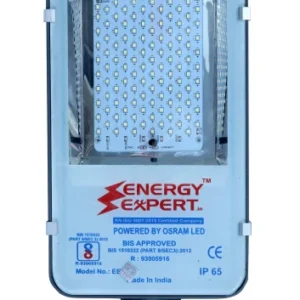


Reviews
There are no reviews yet.