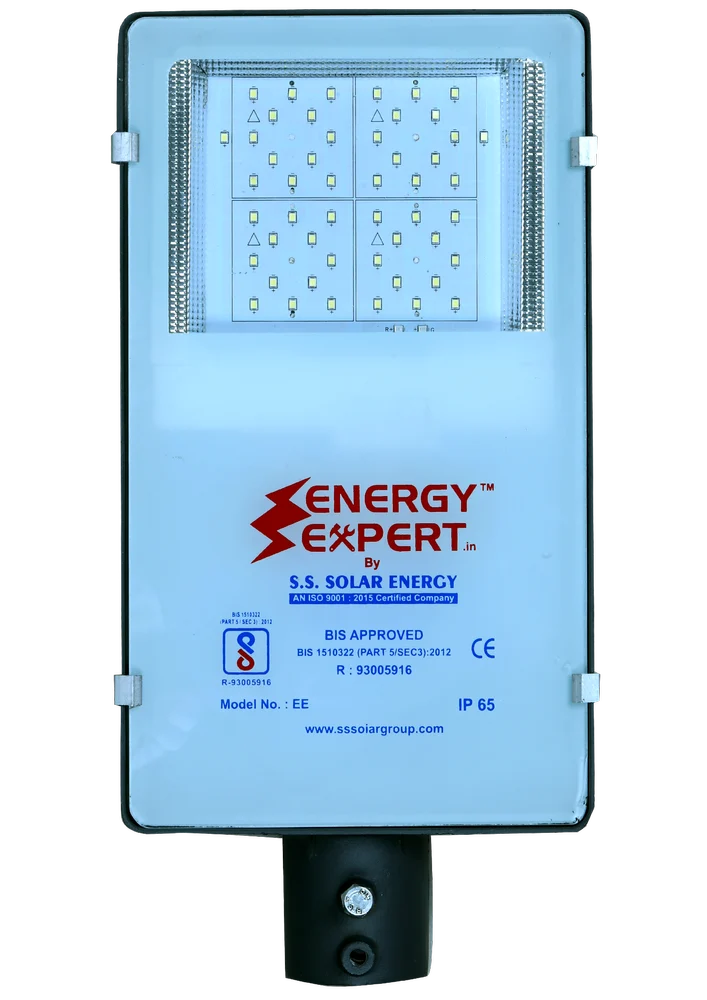
Smart cities use technology and sustainable practices and their efficient infrastructure systems to enhance urban life quality. Urban lighting serves as the fundamental element which supports all smart city initiatives. The right lighting system provides better visibility while also enhancing safety and energy efficiency and supporting effective city operations.
LED lighting has become the preferred solution which modern cities use for their smart city initiatives throughout the world. Urban planners and governmental agencies now choose LED-based systems to replace traditional lighting because these systems offer better long-term advantages.
This blog post will examine the benefits of LED lighting for smart city projects, through its energy efficiency and safety features and environmental sustainability and intelligent control systems and their development of future-ready infrastructure.
The term LED describes Light Emitting Diode technology. LED lighting systems demonstrate superior light production efficiency because they convert most electrical input into visible light instead of generating heat. The present-day application of LED
lighting systems extends to:
Public spaces
Highways and roads
Smart city infrastructure
Smart city infrastructure
Commercial and residential areas
Street lighting
The combination of performance and durability together with efficiency makes these products suitable for contemporary urban settings.
Why Smart City Projects Need Advanced Lighting Solutions
Smart cities develop urban spaces which provide efficient and connected and sustainable environments. Smart city lighting systems need to fulfill these six requirements:
They should have low energy consumption
Their operational life needs to be long
They should require low maintenance
The system needs to provide intelligent monitoring and control
The system needs to support environmental sustainability Environmental
sustainability The expectations of traditional lighting systems cannot be fulfilled because LED lighting remains essential for smart city development.
Key Benefits of LED Lighting for Smart City Projects
1. High Energy Efficiency
LED lighting provides its main benefit through its ability to use energy more efficiently. LED lights consume significantly less electricity compared to conventional lighting systems while delivering better brightness and clarity. This results in three advantages for smart city projects:
Power usage decreases
There are decreased electricity costs
Energy resources get used more effectively
Energy-efficient lighting helps cities control their increasing energy needs while keeping their expenses stable.
2. Long Lifespan and Durability
LED lighting systems have a lifespan that exceeds the operational duration of regular lighting systems. The extended lifespan of these products results in decreased need for their replacement.
Smart cities receive advantages from the following elements:
Lower maintenance costs
Fewer disruptions due to light failures
Consistent lighting performance
The need for maintenance becomes expensive and takes a long time which makes this aspect highly important for street lighting and public infrastructure.
3. Improved Public Safety and Visibility
Good lighting is directly linked to public safety. LED lighting provides:
Clear and uniform illumination
Better color visibility
Reduced dark spots
In smart city projects, improved lighting helps:
make roads safer for drivers
protect pedestrians from harm
improve security throughout public spaces
Well-lit streets and public spaces make cities safer and more comfortable for residents.
4. Smart Control and Automation
LED lighting systems easily integrate with smart city control platforms. This allows cities to manage lighting through intelligent systems.
Smart features include:
Automatic dimming based on traffic or time
Remote monitoring and fault detection
Adaptive lighting based on weather or movement
These smart controls improve efficiency while ensuring optimal lighting at all times.
5. Reduced Maintenance and Operational Costs
Maintenance is a major expense in urban lighting projects. LED lighting significantly reduces maintenance needs due to its durability and reliability.
For smart city projects, this results in:
Lower operational expenses
Reduced manpower requirements
Faster fault identification
Over time, such savings bring LED lighting to the reach of big-budget city schemes.
Environmental Benefits of LED Lighting
Lower Carbon Emissions
Increasingly LED technology is observed as one of the promising ways of reducing operating carbon. It contributes to the support of global sustainability and climate goals.
Reduced Light Pollution
LED systems can be designed to focus light only where needed. This approach helps to minimize unnecessary light emissions while reducing light pollution that affects urban areas.
Eco-Friendly Infrastructure
Green building and smart city sustainability standards cannot escape it anymore, creating a more environmentally inviting condition.
LED Lighting and Smart City Infrastructure Integration
Connected infrastructure is used for the Smart City projects. Project Developer, Brewster McCracken, said that LED lighting kit is used.
Smart traffic management systems
Surveillance and security networks
Environmental sensors
Centralized monitoring platforms
This integration allows cities to use lighting poles as multi-purpose smart infrastructure assets.
Applications of LED Lighting in Smart Cities
LED lighting is used across various smart city applications, including:
Smart street lighting
Highway and road illumination
Public parks and open spaces
Commercial districts
Smart parking areas
Each application benefits from energy efficiency, smart controls, and long-term reliability.
LED Lighting vs Traditional Lighting in Smart Cities
Feature
Traditional Lighting
LED Lighting
Energy Consumption
High
Low
Lifespan
Short
Long
Maintenance
Frequent
Minimal
Smart Control
Limited
Advanced
Environmental Impact
High
Low
This comparison clearly shows why LED lighting is preferred in smart city projects.
Experienced manufacturers understand the technical and environmental requirements of smart city infrastructure.
Future of LED Lighting in Smart Cities
LED lighting continues to evolve with new innovations such as:
AI-based lighting management
Sensor-driven adaptive illumination
Integration with renewable energy sources
Data-driven urban planning support
These advancements make LED lighting a long-term solution for future-ready smart cities.
How LED Lighting Supports Sustainable Urban Development
Sustainability is a core objective of smart city projects. LED lighting supports sustainable development by:
Reducing energy consumption
Lowering operational costs
Enhancing urban safety
Supporting clean and green infrastructure
By investing in LED lighting, cities can balance growth with environmental responsibility.
Conclusion
The benefits of LED lighting for smart city projects go far beyond basic illumination. LED lighting offers energy efficiency, long lifespan, improved safety, smart control, and environmental sustainability.
As cities continue to grow and modernize, LED lighting plays a vital role in building safe, efficient, and future-ready urban environments. For any smart city initiative, adopting LED lighting is not just a technological upgrade—it is a strategic investment in long-term development.